Back to Challenge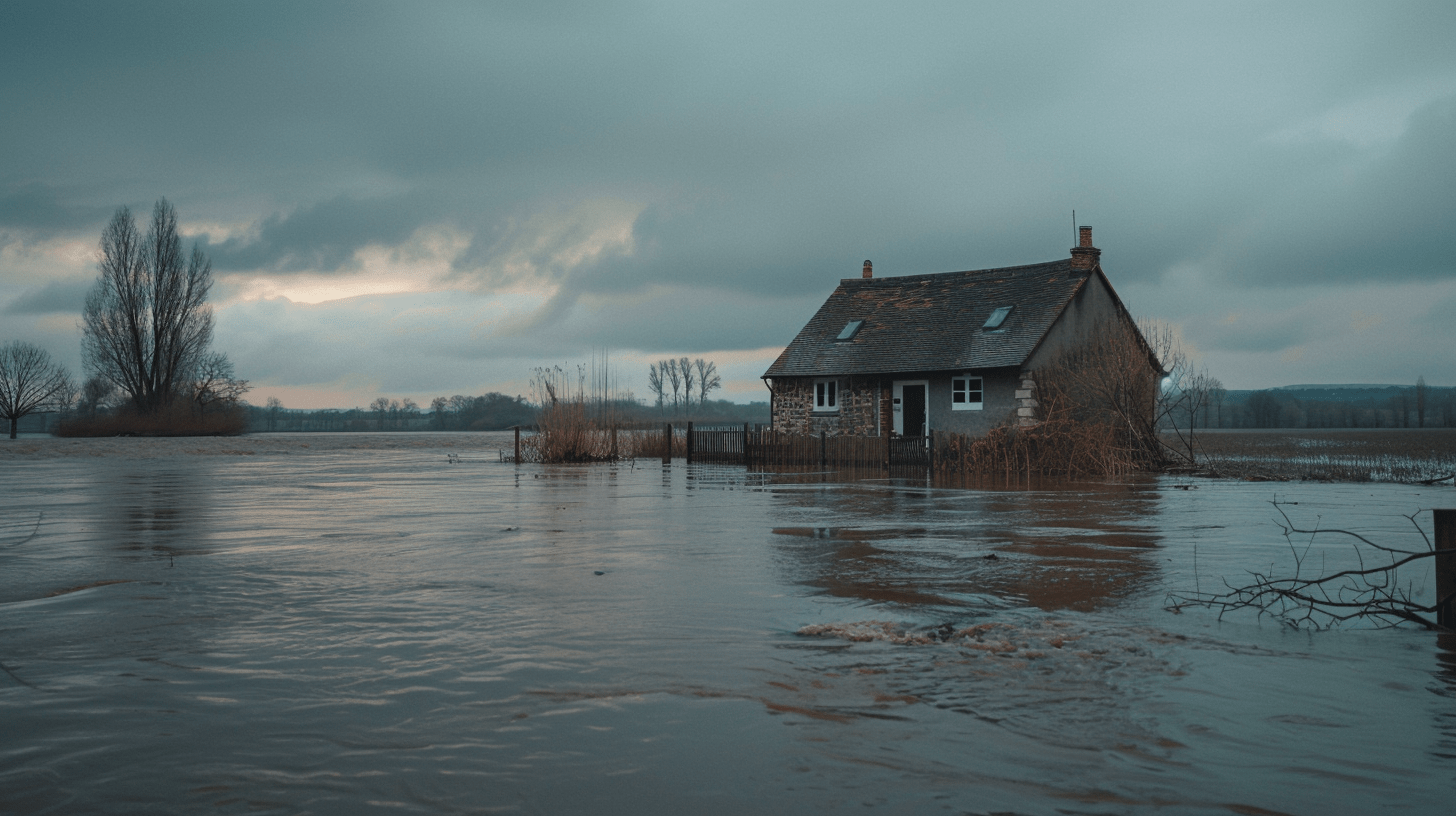
How a Warmer World Disrupts the Water Cycle
Expected time required: 4 mins
As global temperatures rise, more moisture evaporates into the atmosphere, increasing the likelihood of intense rainfall and storms.
In regions with significant seasonal snowmelt, hotter temperatures can trigger more rain-on-snow events, with warm rains inducing faster and earlier melting—a phenomenon playing out in the western United States.
As seen, higher evaporation and precipitation rates are not evenly distributed across the world with some areas experiencing heavier than normal precipitation leading to increased floods while other areas become prone to droughts. Some climate models predict coastal regions will become wetter while the middle of continents will become drier.
- Midwest and Northeast United States: These regions have seen substantial increases in heavy precipitation events. Between 1958 and 2012, the Northeast experienced over a 70% rise in rainfall during heavy precipitation events, making it the most significant increase among U.S. regions.
- Coastal Areas: Many coastal areas such as Hawaii have seen an average of 18 days per year exceeding flooding thresholds in the last decade.
- Oceania: Droughts in Oceania currently last about 12 months, the longest duration globally, impacting water availability and agricultural productivity.
- Southwestern United States: States like California, Arizona, and Nevada have experienced prolonged droughts, with reduced precipitation and increased evaporation leading to water shortages. In 2020, Arizona experienced its driest monsoon season on record, with many locations recording significantly below-average rainfall.
- Alaska: Communities like Nome and Fairbanks are facing increased erosion and flooding as the frozen ground (permafrost) melts, weakening the land's structure and increasing flood vulnerability. Permafrost in Alaska has warmed by as much as 2-3°C in the last 50 years, contributing to ground instability (increased erosion), subsidence, and thus increased flood risks.