Culinary Literacy and Preservation
Master the art of eating with the seasons by learning how to plan meals around local availability and preserve the harvest.
Eating with the Rhythm of the Land
The Seasonal Shift
Imagine it is the middle of February. In a typical supermarket, you can still find strawberries, but they are likely pale, hard, and traveled thousands of miles. By contrast, a seasonal eater looks at what is actually growing or stored nearby, root vegetables, hardy greens, and stored fruits like apples.
Developing culinary literacy means learning to cook with what is available rather than following a rigid, unchanging recipe. It is about moving from 'What do I want to eat?' to 'What is the land giving me right now?' This shift reduces your environmental impact and often saves you money, as produce is cheapest when it is in peak supply.
The Art of Preservation
Eating locally doesn't mean you can only eat cabbage all winter. For centuries, humans have used preservation techniques to 'capture' the summer sun and save it for the lean months. By learning these skills, you extend the reach of your local bioregion throughout the entire year.
Here are some of the most effective ways you can preserve local produce at home:
- Fermentation: Using salt and natural bacteria to create foods like sauerkraut or kimchi. This not only preserves the vegetables but also boosts their probiotic benefits.
- Dehydration: Removing moisture from fruits, herbs, and mushrooms. Dried local tomatoes can be a concentrated burst of summer flavor in a winter pasta.
- Pickling: Using vinegar and spices to preserve the crunch and tang of seasonal cucumbers, beets, or onions.
- Cold Storage: Simply knowing which vegetables (like potatoes and squash) thrive in a cool, dark 'root cellar' environment without any processing at all.
Planning Your Seasonal Kitchen
When you start planning your meals around the Farmer's Calendar, your kitchen habits will change. Instead of buying individual ingredients for one specific dish, you might buy a 'bulk' amount of whatever is at its peak and build your week around it. This is a core of systems thinking applied to the home: responding to the output of the system rather than demanding a fixed input.
Try keeping a 'seasonal chart' on your fridge. It acts as a visual reminder of what to look for when you are out. You will find that your food starts to taste better because you are eating it when the plant's sugars and nutrients are at their highest concentration.
Take Action: Start Your First Jar
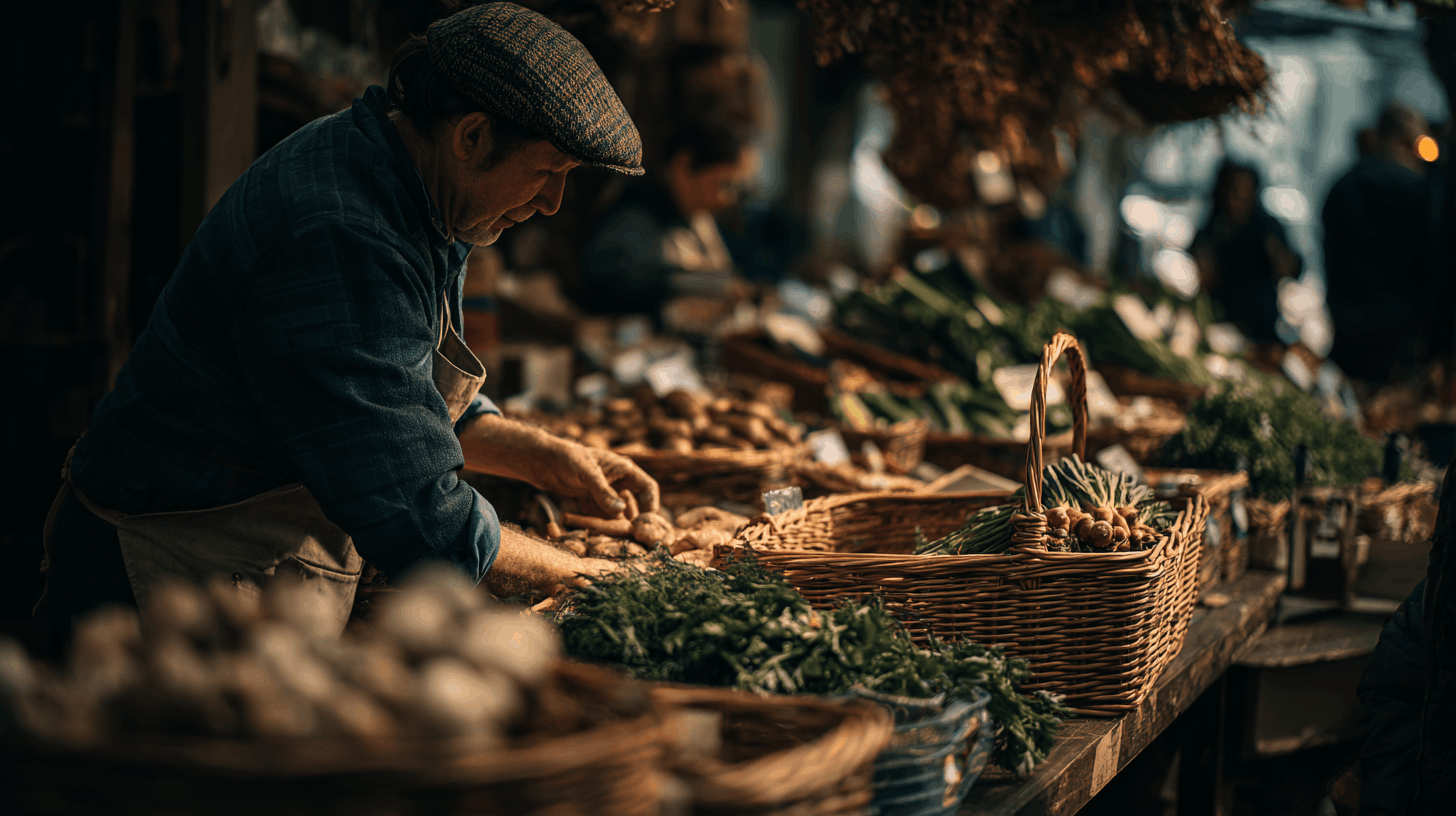
You don't need a huge farm to start preserving! Next time you see a surplus of a local vegetable at the market, try a simple 'quick pickle' or dry some fresh herbs by hanging them in a sunny window. You can start by checking a local harvest map online to see what is coming into season in your area this month.