Ozone Layer and the Polar Vortex
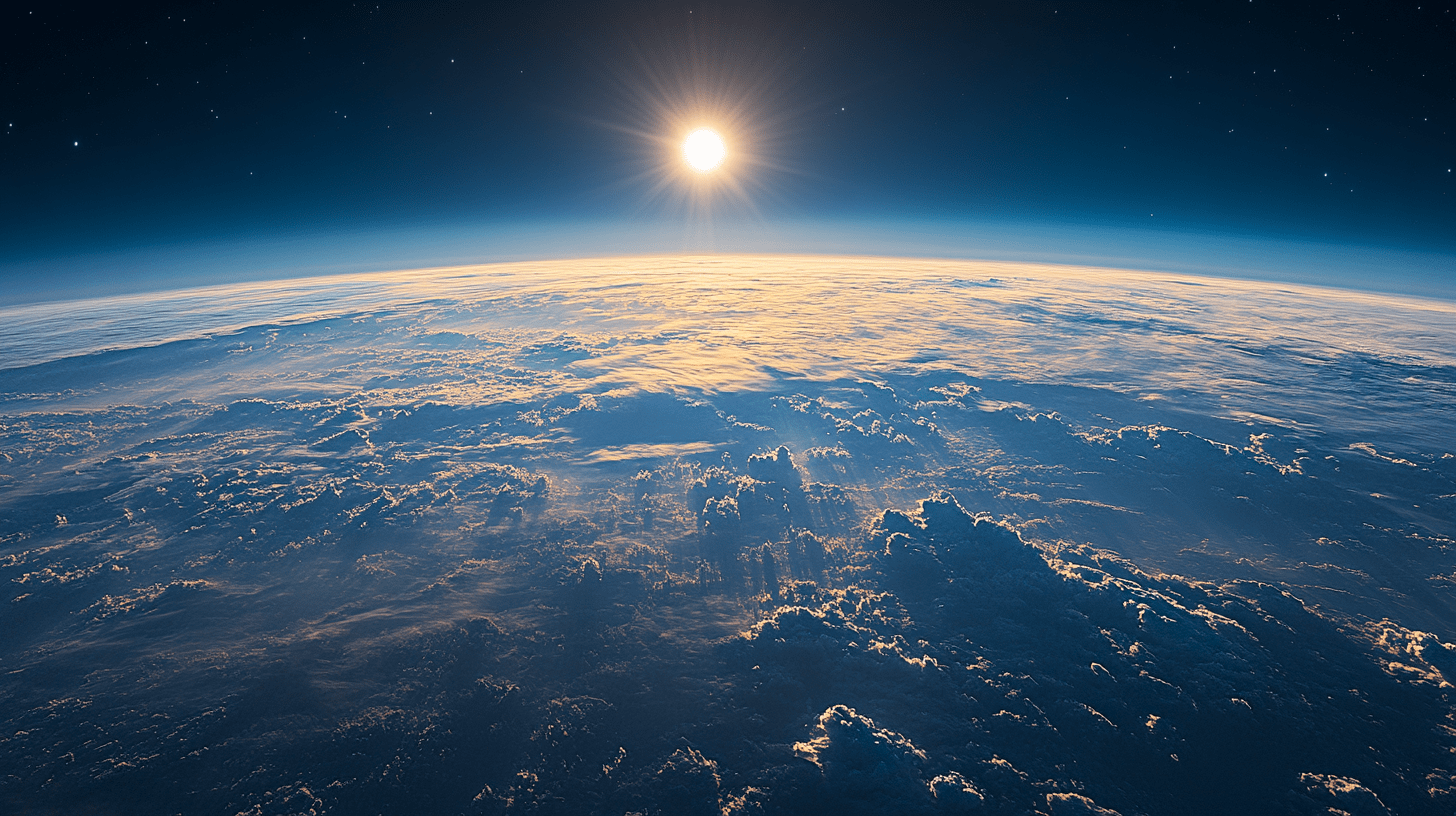
Every year, NASA and NOAA track the hole in the ozone layer over Antarctica as it grows to its annual winter maximum. In 2019, the hole was smaller than expected, due to an unusual weather pattern in the stratosphere.
Credits:
Music: "Life Choices" from Killer Tracks
NASA's Goddard Space Flight Center/Scientific Visualization Studio
Kathryn Mersmann (USRA): Lead Producer
Ellen T. Gray (ADNET): Lead Writer
Eric Nash (SSAI): Visualizer
Paul Newman (NASA/GSFC): Scientist
Susan Strahan (USRA): Scientist
Every year, NASA and NOAA track the hole in the ozone layer over Antarctica as it grows to its annual winter maximum. In 2019, the hole was smaller than expected, due to an unusual weather pattern in the stratosphere.
Credits:
Music: "Life Choices" from Killer Tracks
NASA's Goddard Space Flight Center/Scientific Visualization Studio
Kathryn Mersmann (USRA): Lead Producer
Ellen T. Gray (ADNET): Lead Writer
Eric Nash (SSAI): Visualizer
Paul Newman (NASA/GSFC): Scientist
Susan Strahan (USRA): Scientist