
Creating the EPA
An exploration of why a unified federal agency was needed to regulate pollution and how it changed the relationship between industry and the environment.
Imagine a world where the government had no power to tell a factory to stop dumping chemicals into your local stream. Before 1970, environmental responsibilities were scattered across different departments like a messy drawer of mismatched tools. There was no single 'watchdog' to protect the public health from industrial bypass. When you look at the clean parks or clear skies in your city today, you are seeing the result of a massive reorganization of power.
The creation of the Environmental Protection Agency (EPA) in December 1970 was a direct response to the 20 million voices demanding oversight. It shifted the burden of proof from the citizens to the polluters. Instead of you having to prove a chemical was hurting your family, the EPA began requiring industries to prove their operations were safe (EPA, 2023).
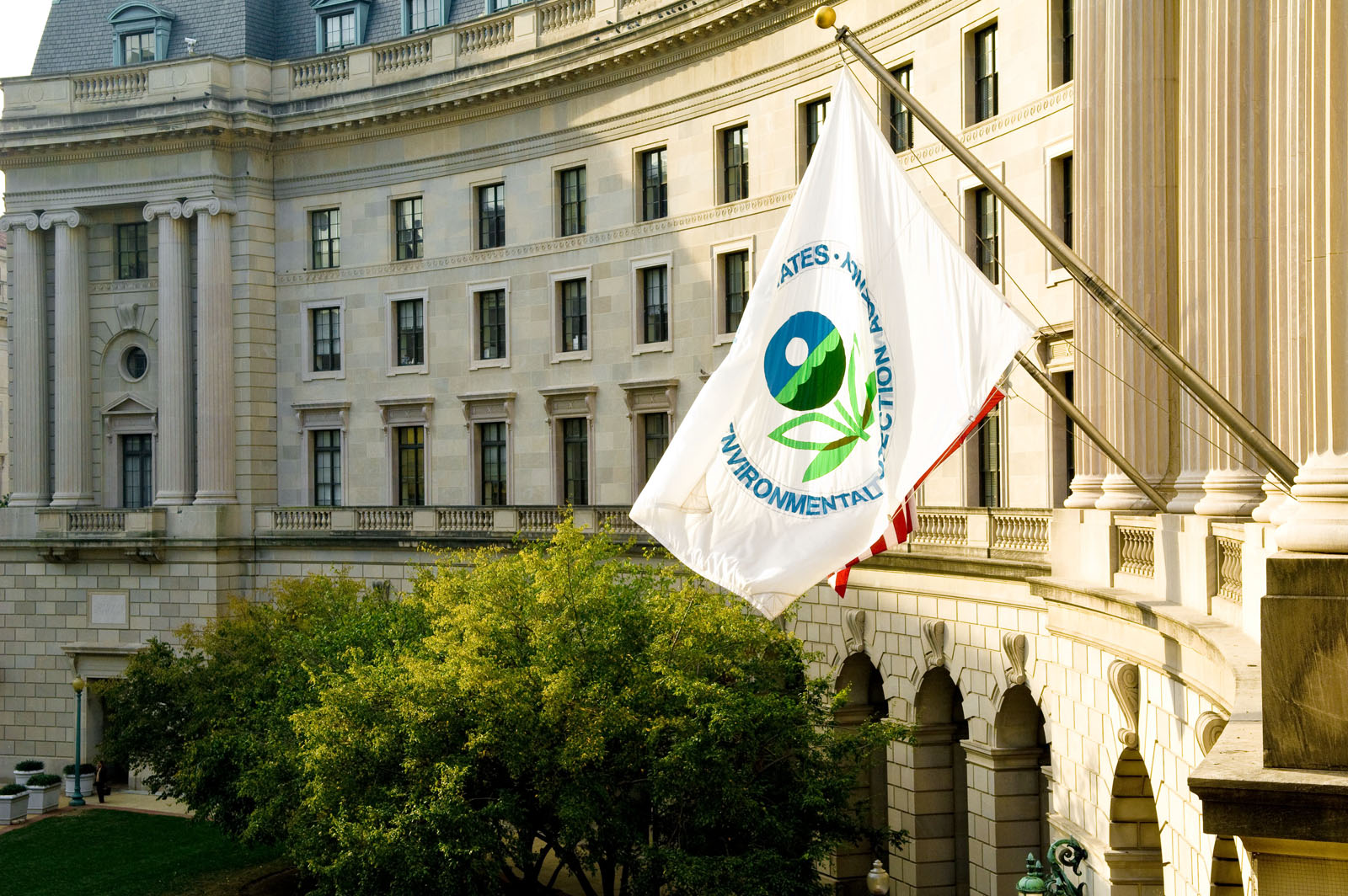
The Mandate for Oversight
The EPA wasn't just another government office; it was a unified front designed to conduct research, monitoring, and enforcement. For the first time, a single agency had the 'teeth' to set national standards that every state had to follow, creating a level playing field for businesses and a safety net for communities.
Consolidating Environmental Power
President Richard Nixon used an executive order to pull together environmental programs from the Department of Interior, the Department of Agriculture, and the Department of Health, Education, and Welfare. This was a critical systemic shift. Before this, if a pesticide was poisoning birds, one department might care, while another department, focused only on farm production, ignored it. The EPA ended this internal conflict by prioritizing human health and the environment above all else.
Today, the EPA monitors everything from the lead in your plumbing to the exhaust coming out of your car. While we often think of 'regulation' as a dry, bureaucratic word, it is actually the mechanism that ensures the air you breathe while cooking dinner or the water you use to bathe your kids meets a baseline safety standard. This agency transformed the 'commons' from a free dumping ground into a protected public asset.
Living with Regulation
Citizens of the USA interact with the EPA's legacy every time they look at a fuel economy sticker on a new car or read the safety warnings on a bottle of household cleaner. These aren't just suggestions; they are the result of the agency's mandate to protect you. By centralizing research, the EPA can identify emerging threats, like microplastics or 'forever chemicals', and begin the long process of creating new guardrails for industry.
As a consumer, your awareness of these standards helps the system work. When you choose products that meet high environmental standards, you are reinforcing the EPA's mission. The agency provides the rules, but the public’s continued demand for safety provides the political support necessary to keep those rules in place. In the next lesson, we will look at the specific 'rulebooks' the EPA uses to keep our air and water clean.
The EPA provides the structure, but it needed specific laws to define its power. These laws became the 'Clean Acts,' which we will dive into next to see how they practically cleaned up our most vital resources.
References
- U.S. Environmental Protection Agency. (2023). Origins of the EPA. EPA History Office. Source