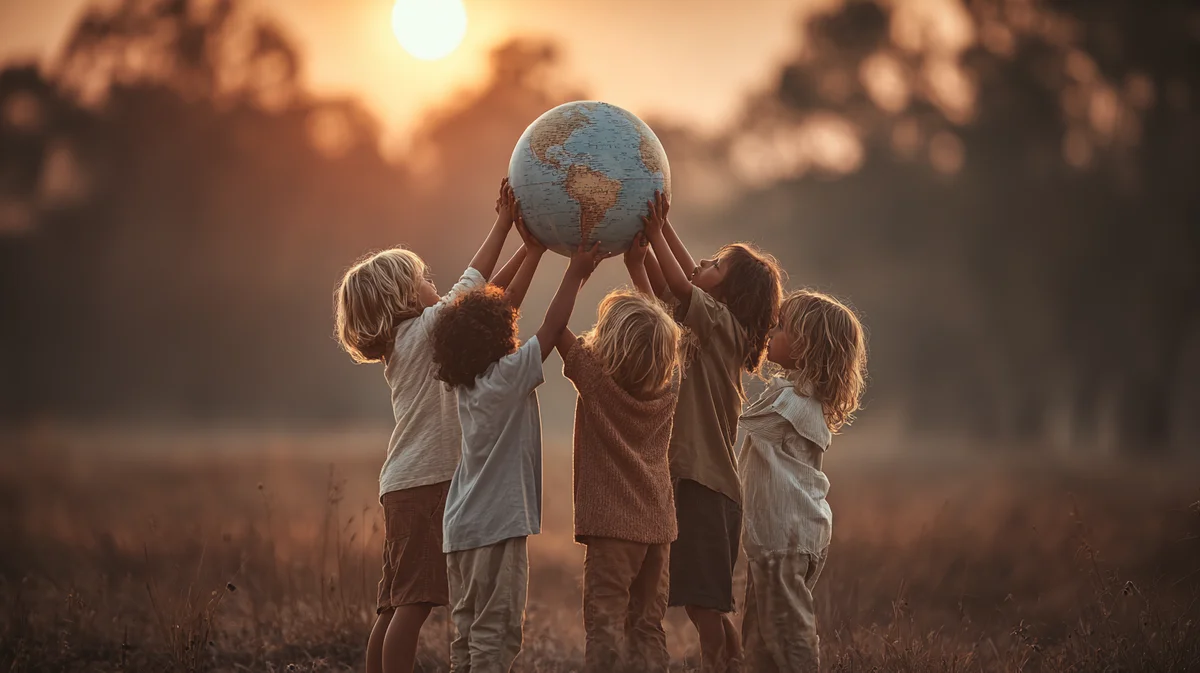
Going Global: The 1990 Pivot
Trace how Earth Day evolved from a US-centric protest into a global system that paved the way for international climate diplomacy.
By the late 1980s, the world was facing a new kind of environmental challenge. Issues like the ozone hole and global warming didn't respect national borders. Pollution in one country was becoming a problem for another. To address this, the organizers of Earth Day realized they needed to scale their system from a national lever into a global one.
This led to the 1990 pivot, a strategic expansion that transformed Earth Day into what it is today, the world's largest secular holiday, with over 1 billion people in over 190 countries taking part each year.
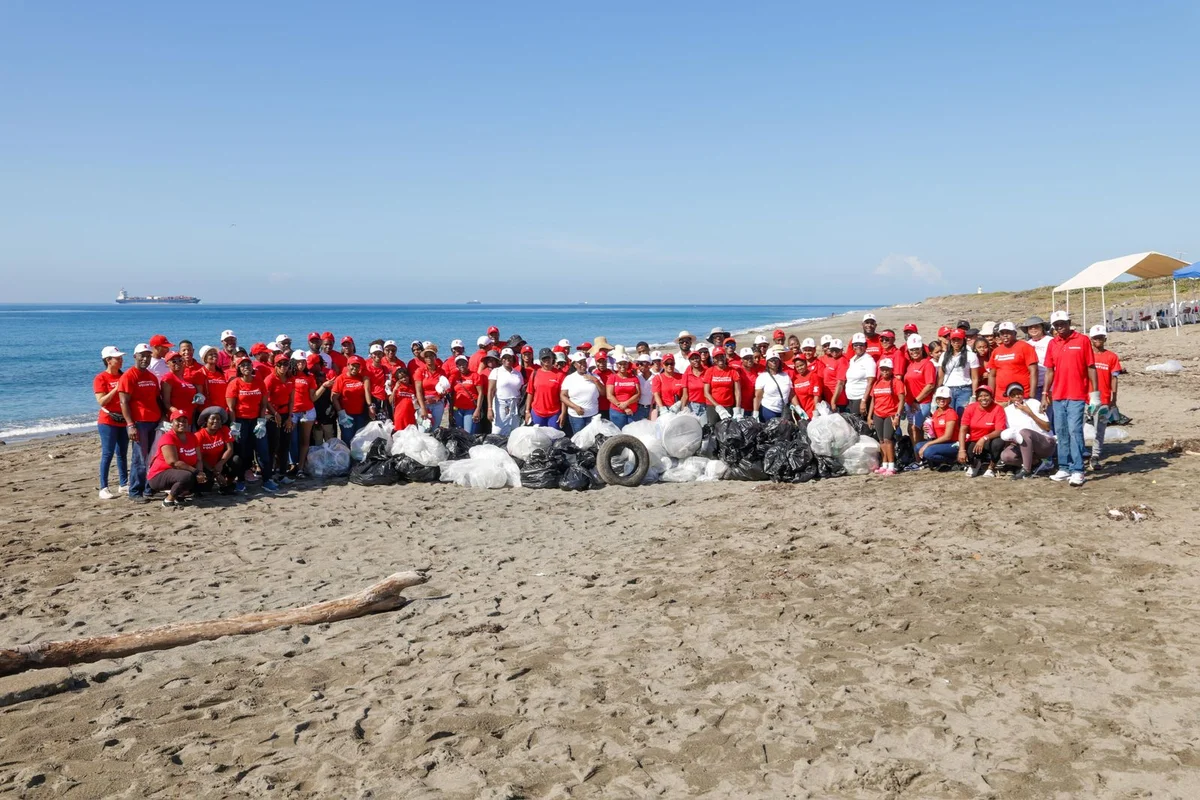
In 1990, Earth Day went international, mobilizing 200 million people in 141 countries (EarthDay.org, 2024). This wasn't just about planting more trees; it was about creating a global feedback loop that could influence international law. If Earth Day 1970 was the catalyst for US laws, Earth Day 1990 was the catalyst for the modern era of climate diplomacy.
The Road to Rio and Beyond
The massive success of the 1990 global mobilization sent a clear message to world leaders: the environment was now a top priority for citizens everywhere. This pressure was the direct precursor to the 1992 UN Earth Summit in Rio de Janeiro, Brazil. For the first time, nearly every nation on Earth gathered to create a shared plan for sustainable development.
Creating the Paris Agreement Pipeline
The system Earth Day built, a yearly moment of global focus, kept the pressure on leaders for decades. This persistent mobilization was vital in 2016, when the Earth Day Network played a key role in the signing of the Paris Agreement (UNFCCC, 2016). In fact, the agreement was opened for signature on Earth Day, symbolizing the direct link between public activism and high-level international law.
This shows that Earth Day is more than just a calendar event; it is a diplomatic infrastructure. It provides a recurring 'Policy Window' every year on April 22nd where the world stops to evaluate environmental progress. Without this yearly pulse, it would be much harder to keep 195 nations aligned on complex climate goals.
Global Impact, Local Habits
How does this global system affect you? When international agreements like the Paris Accord are signed, they trickle down into your daily life. They influence how your electricity is generated, the fuel efficiency of your car, and even the subsidies that make certain foods cheaper or more expensive. By participating in Earth Day, you are adding your voice to the global chorus that keeps these agreements alive.
Think about the labels on your electronics or the energy rating of your fridge. Many of these standards exist because of international cooperation that started at the 1992 Earth Summit (UN, 1992). Your choice to buy energy-efficient appliances is a local action that supports a global system. You are part of the 'bottom-up' energy that makes 'top-down' international law possible.
We have seen how Earth Day acts as a lever, shifting national agendas and then global ones. But what are the actual laws that this lever helped create? In our final module, we will dive into the specific 'teeth' of the environmental movement: the legislative milestones that still protect us today.
The journey from a local protest to a global system shows that there is no 'away' when it comes to pollution. Because the system is global, our response must be too. Your participation is the fuel that keeps this international machine running toward a sustainable future.