
The Endangered Species Act (ESA)
Examine the 1973 legislation that acknowledged the intrinsic value of biodiversity and the government’s role in preventing extinction.
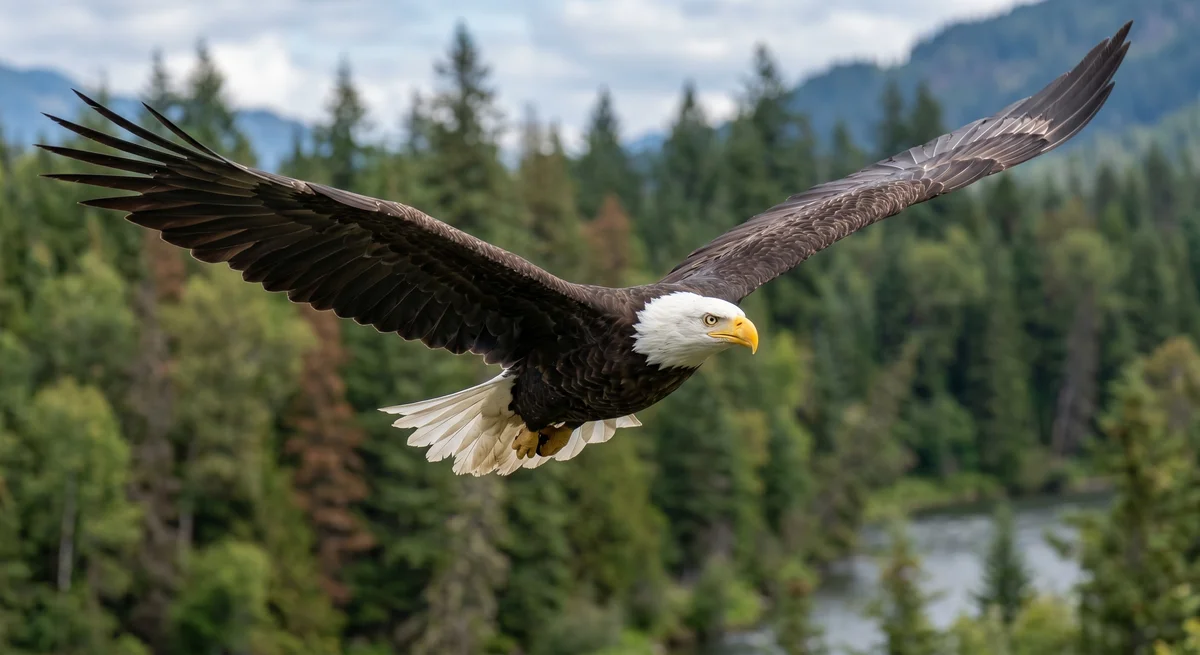
When you see a Bald Eagle soaring over a river today, you are looking at a living miracle of the law. In the 1960s, these iconic birds were nearly extinct in the lower 48 states, with only about 400 nesting pairs left. They were being poisoned by the pesticide DDT, which thinned their eggshells. The Endangered Species Act (ESA) of 1973 was the emergency brake that stopped our march toward a silent, empty landscape.
This law represented a massive philosophical shift. It was the first time our legal system acknowledged that a species has an intrinsic value that exists regardless of its 'use' to humans. It recognized that biodiversity is the 'immune system' of our planet (Wilson, 1988).
Understanding Status and Protection
The ESA creates a framework for identifying which species are in trouble and provides a legal mandate to recover them. It isn't just about 'not killing' an animal; it's about protecting the places where they live.
Endangered vs. Threatened
The law uses two specific labels to trigger different levels of protection. An 'Endangered' species is in danger of extinction throughout all or a significant portion of its range. A 'Threatened' species is likely to become endangered within the foreseeable future. Once a species is listed, it becomes illegal to 'take' that species, which includes harming, hunting, or even significant habitat modification (USFWS, 2023).
This protection extends to Critical Habitats. For example, if you are a landowner in an area where a protected bird nests, the law might limit certain types of construction to ensure the bird's home isn't destroyed. This can be controversial, but it is based on the systems-thinking idea that we cannot save a species if we destroy its 'life-support system' (its habitat).
Ecosystem Restoration and Your Role
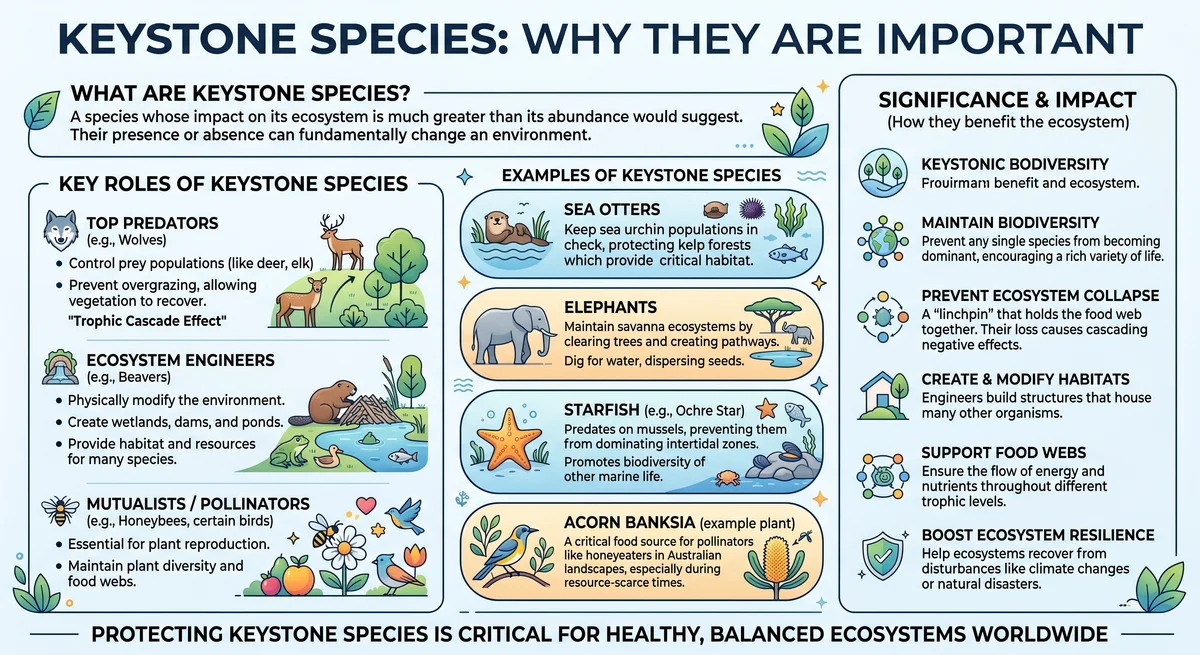
The ESA isn't just about saving 'charismatic megafauna' like grizzly bears or whales; it also protects the insects, plants, and fungi that keep our soil healthy and our crops pollinated. When we protect a 'keystone species,' we are actually protecting an entire ecosystem that provides us with clean air and water for free.
In your daily life, you support the ESA when you visit National Parks or choose sustainable seafood that doesn't rely on 'bycatch' of endangered turtles.
You can even help at home by planting native species in your garden. By providing 2 kg / 4.4 lbs of native nectar-producing flowers, you are creating a 'mini-habitat' that supports the broader web of life the ESA is designed to protect (Tallamy, 2020).
The Earth Day movement started with a protest and ended with a legal shield. From the EPA to the ESA, we built a system that recognizes our impact on the world. As you finish this challenge, remember that these laws only stay strong as long as citizens, like you, continue to value and defend them.
You have completed the Earth Day Challenge. You now understand the history, the mechanics, and the legacy of the environmental movement. Use this knowledge to be a more informed citizen and a powerful advocate for the systems that support us all.