
The Inciting Incidents (1962–1969)
Investigate the cultural and physical triggers of the environmental movement, from chemical warnings to visible disasters.
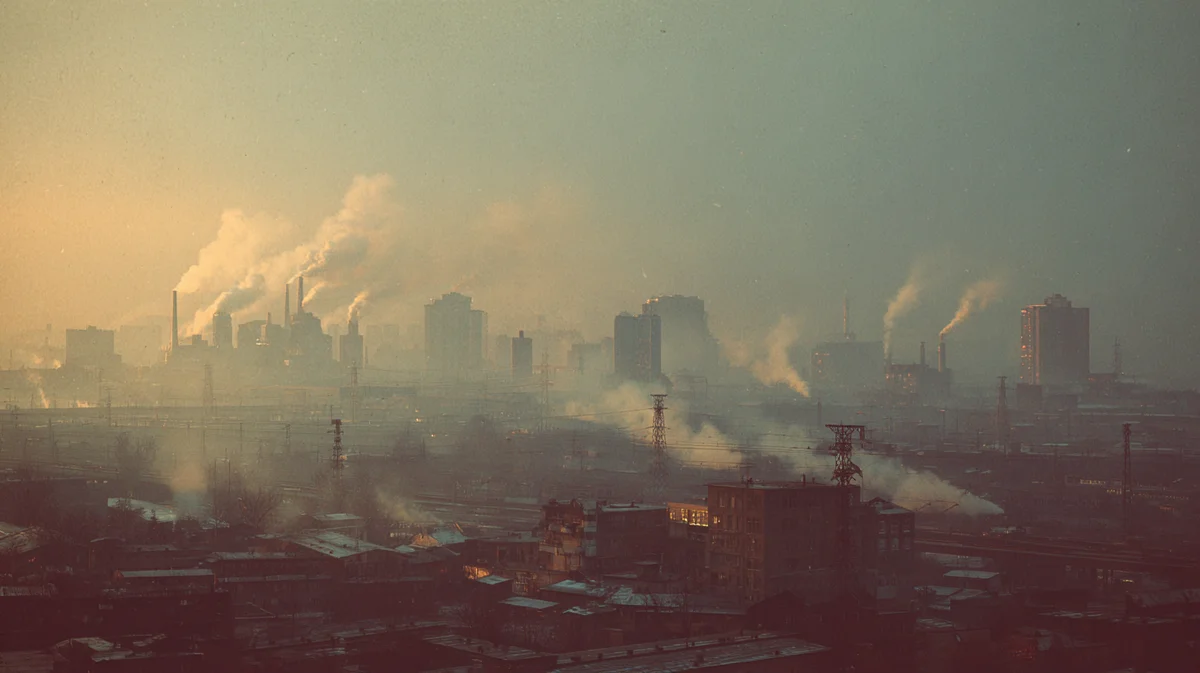
Imagine walking outside to find the air thick with soot or hearing that your local river has literally burst into flames. In the 1960s, this wasn't a dystopian movie plot; it was daily life for millions. Before the first Earth Day, there were no federal laws to protect the water you drank or the air you breathed. Industrial progress was booming, but it came with a hidden, toxic price tag that finally became too large for the public to ignore.
The Earth Day movement however didn't start with a protest; it started with a book.
In 1962, biologist Rachel Carson published Silent Spring, which exposed the devastating impact of indiscriminate pesticide use, particularly DDT (Carson, 1962). Her writing acted as a cultural alarm clock, warning that human health and nature were inextricably linked.
While chemical companies tried to discredit her, the public began to realize that the 'unseen' chemicals in their food and soil were a direct threat to their families.
The Visual Proof of Environmental Crisis
While Carson’s work addressed the invisible threats, two massive disasters in 1969 provided the shocking visuals needed to galvanize the masses. These events turned environmentalism from a niche concern into a national emergency that demanded immediate legal intervention.
The River That Burned and the Ocean That Bled
In June 1969, the Cuyahoga River in Cleveland, Ohio, caught fire. It wasn't the first time, but it was the time that captured the world's attention. The river was so choked with oil and industrial waste that a spark from a passing train ignited the water itself.
Around the same time, a massive oil well blowout off the coast of Santa Barbara, California, released over 11.4 million liters / 3 million gallons of crude oil into the Pacific Ocean (UCSB, 2002).
These two events were broadcast into living rooms across the USA. People saw birds coated in thick, black sludge and flames leaping from a body of water. The psychological impact was profound: if the water itself could burn and the ocean could be poisoned so easily, the systems meant to protect citizens were clearly broken. At the time, there was almost zero legal recourse for regular people to stop companies from dumping waste directly into the 'commons', the air and water we all share.
A National Outcry for Change
These disasters created a tipping point because they hit people where they lived. It wasn't just about 'saving the whales'; it was about the fact that your backyard, your beach, and your drinking water were under siege. The realization that the government lacked the power or the will to regulate these industries led to a massive shift in public consciousness.

As you go about your day, think about the products you use or the water you drink from the tap. Today, we take for granted that there are 'rules' about what can be dumped in a river, but those rules were written in the soot and oil of the 1960s. The collective anger from these incidents provided the social energy that Senator Gaylord Nelson would soon harness to create the first Earth Day.
The stage was set. The environment was no longer a background issue; it was a front-page crisis. In our next lesson, we will see how this raw energy was organized into a strategic, nationwide 'teach-in' that changed history.
In the next lesson you will learn how a single Senator turned this national anger into the largest single-day protest in human history.