
The 'Teach-In' Strategy
Learn how the first Earth Day was organized as a decentralized, non-partisan 'teach-in' to engage the nation's youth.
Have you ever wondered why Earth Day is on April 22nd? It wasn't a random choice.
In 1970, the organizers of the first Earth Day were playing a high-stakes game of logistics, trying to find the one day that would maximize student participation across the entire United States. They needed a 'Policy Window', a moment where the energy of the youth could be channeled into a force so large that politicians couldn't ignore it.
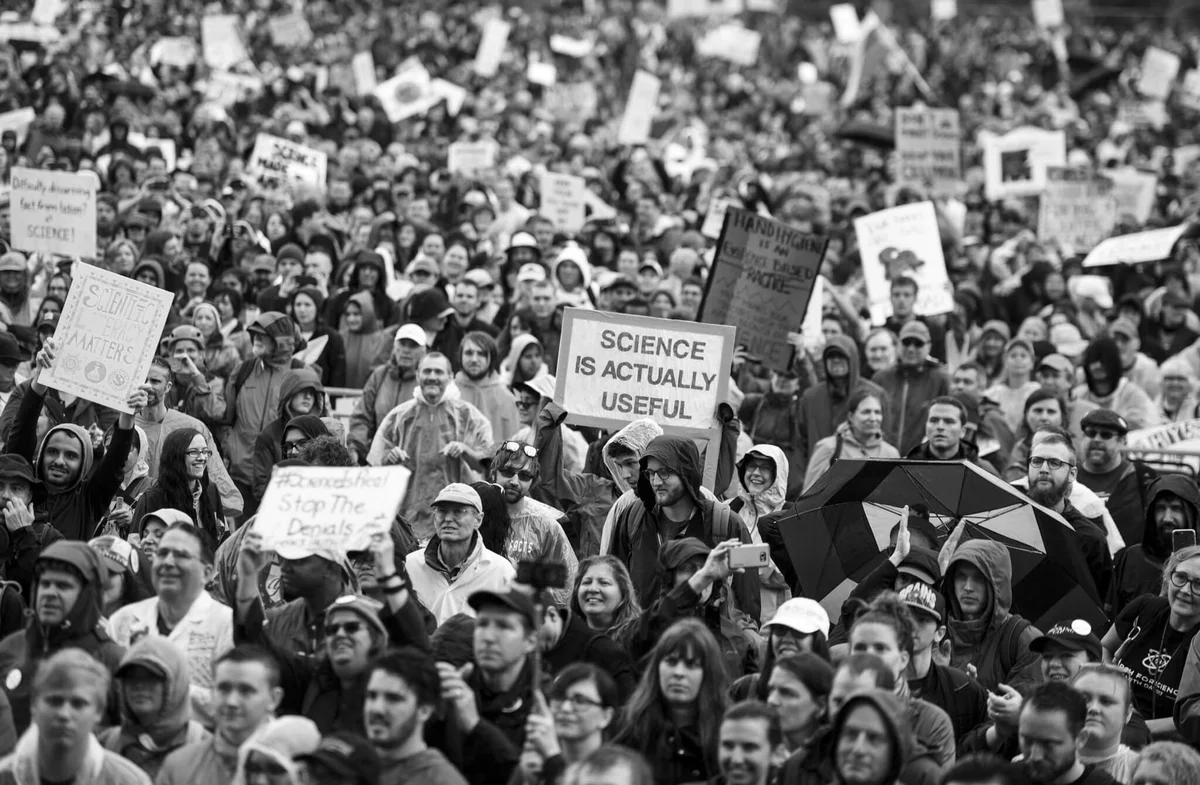
Senator Gaylord Nelson, the visionary behind Earth Day, knew that top-down government mandates wouldn't work on their own. He looked at the successful anti-war 'teach-ins' of the era and realized that the same model could be applied to the environment. He hired a 25-year-old Harvard student named Denis Hayes to coordinate the effort, transforming a political idea into a grassroots movement (EarthDay.org, 2024).
The Logic of April 22nd
Choosing a date was a masterclass in strategic planning. To get 20 million people, 10% of the U.S. population at the time, into the streets, the organizers had to target the most active segment of society: students. April 22nd was specifically chosen because it fell between Spring Break and final exams, ensuring the highest possible student turnout.
Decentralization: A Movement Without a Boss
Unlike a typical political campaign, the first Earth Day was decentralized. This meant there was no single 'headquarters' telling everyone what to do. Instead, the national office provided the inspiration, and local groups, from high schools to women's clubs, organized their own events based on their own local concerns. This allowed the movement to be non-partisan, bringing together Republicans and Democrats, rich and poor, city dwellers and farmers.
By letting local communities take 'ownership' of the day, the organizers ensured that the message wasn't seen as an outside imposition. In New York, protesters marched down Fifth Avenue; in Philadelphia, students held a massive 'Earth Week' festival; and in small towns, families gathered to clean up local parks. This grassroots coordination turned a series of small actions into a massive, unified feedback loop to the government (Nelson, 2002).
The Power of the 'Teach-In'
The term 'teach-in' was crucial. It suggested that this wasn't just a protest, but an educational event.
The goal was to give people the knowledge they needed to become lifelong advocates. Participants didn't just carry signs; they attended seminars on ecology, listened to scientists explain the 'greenhouse effect,' and learned how to pressure their local representatives for better waste management.
This strategy changed the game because it proved that environmentalism was a universal issue. When 10% of your voters are in the streets, you listen, regardless of your political party. This massive show of force created the political will necessary for the 'Green Decade' that followed, leading to the creation of the EPA and the Clean Air Act.
As we wrap up this look at the strategy of the first Earth Day, remember that the most effective movements are often those that empower individuals to act locally while thinking globally. The 'teach-in' model reminds us that education is the first step toward systemic change.
In the next lesson you will discover how this national 'teach-in' triggered a 'Policy Window' that forced the government to act.