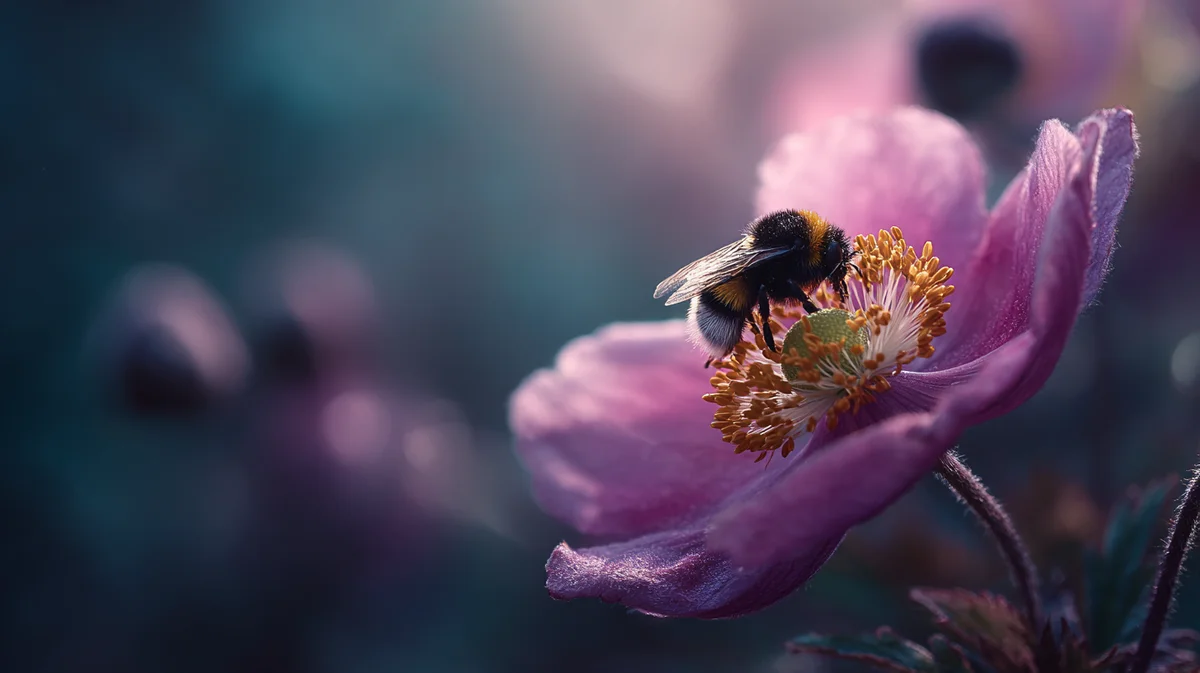
How Systemic Pesticides Poison Pollen
Learn the difference between topical sprays and systemic chemicals, and discover how cosmetic lawn treatments fundamentally alter the plants native bees rely on.
When a patch of dandelions pops up in the driveway or pests appear on your rosegarden, reaching for a chemical spray often feels like the most efficient fix. Hardware store shelves are packed with convenient bottles promising to eradicate pests and weeds with a single application, keeping your yard looking perfect.
However, modern garden chemicals do not just vanish after you spray them. Many are engineered to stick around, fundamentally altering the plants themselves long after the liquid dries. And because they travel through the plant, the impact reaches far beyond the specific insect you intended to target.
How do modern bug sprays and weed killers actually harm bees when you aren't spraying the bees directly?
The shift from surface to systemic
In the past, most garden insecticides were topical. If a bug was on the leaf when you sprayed, it died; if a bee arrived a week later, the chemical had mostly washed away in the rain. Today, the chemical industry favors a different approach.
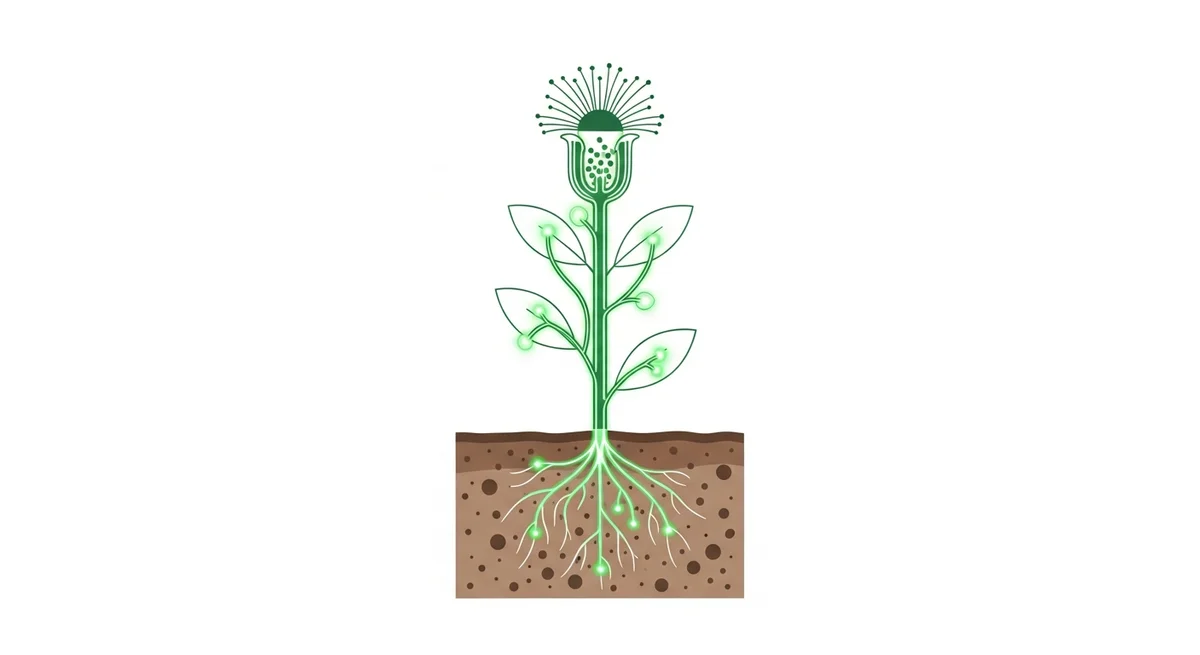
Unlike older surface treatments, systemic pesticides are absorbed directly into a plant's tissues, moving from the roots or leaves into the vascular system. Neonicotinoids are the most common class of these chemicals. Once a plant absorbs a systemic pesticide, it distributes the toxin everywhere, including into its nectar and pollen.
This means a homeowner can pour a soil drench treatment around the base of a rose bush to kill sap-sucking aphids, completely avoiding the flowers. Yet weeks later, a wild solitary bee landing on a freshly opened blossom will ingest a lethal dose of poison simply by drinking the nectar.
The hidden sub-lethal impacts
The damage caused by systemic chemicals is not always immediate death. In many residential gardens, bees receive lower, diluted doses that do not kill them on the spot but permanently damage their nervous systems.
When bees consume contaminated nectar, these sub-lethal impacts severely impair their ability to forage, navigate, or reproduce (Woodcock et al., 2017). A solitary bee exposed to low-dose neonicotinoids might forget the location of her underground nest, effectively dooming her offspring. It also suppresses their immune systems, making them highly susceptible to ordinary pathogens.
How weed killers starve spring bees
Insecticides are not the only chemical threat. Broad-spectrum herbicides (weed killers) are routinely used to maintain perfectly uniform green lawns. While these chemicals target plant biology rather than insect biology, their ecological impact is devastating.
For wild native bees emerging from winter hibernation, the very first meals available are often early-blooming "weeds" like dandelions and clover. Eliminating these early bloomers with broad-spectrum herbicides wipes out the only food available before the main summer flowers open (EASAC, 2015).
Fact: By eradicating vital early-spring blooms like dandelions, herbicides wipe out the primary food source for emerging bees, leading to mass starvation before the summer season even begins.
When a homeowner blankets their yard in a "weed and feed" product in April to kill dandelions, they aren't directly poisoning the bees, they are simply removing the only restaurant in town right as the bees wake up hungry.
What this means for your yard
Chemical convenience comes at a heavy ecological price, transforming safe habitats into toxic traps.
- Systemic pesticides absorb directly into the plant, turning the pollen and nectar toxic long after application.
- Sub-lethal chemical doses cause severe navigation and reproductive failures in solitary bees, even if they don't die instantly.
- Weed killers destroy crucial early-spring food sources like dandelions, starving bees when they first emerge from hibernation.
- Cosmetic chemical reliance turns gardens into ecological traps, looking beautiful but silently poisoning the wildlife that visits.
Next, we will explore practical, household-level steps to reverse this damage and safely welcome native pollinators back to your yard.