Air Pollution at Home
 Climate Action
 Good Health And Well-Being
 Sustainable Communities
Discover how invisible indoor air pollutants affect your health and build practical habits to ventilate, filter, and protect your home.
A well-sealed, energy-efficient house often traps air that is two to five times more polluted than the air outside. While we associate smog with cities, the most immediate threat to your lungs often comes from everyday domestic habits.
This course reveals the hidden mechanics of household air pollution, from fine particles generated by cooking to invisible gases emitted by stoves. You will explore how microscopic dust bypasses respiratory defenses and why standard building insulation accumulates toxins.
By the end, you will be equipped to make simple, high-impact changes. You will learn to properly ventilate spaces, evaluate air purifiers, interpret air quality data, and choose the right masks for outdoor pollution spikes.
Learning Goals
How Pollutants Enter Your Blood
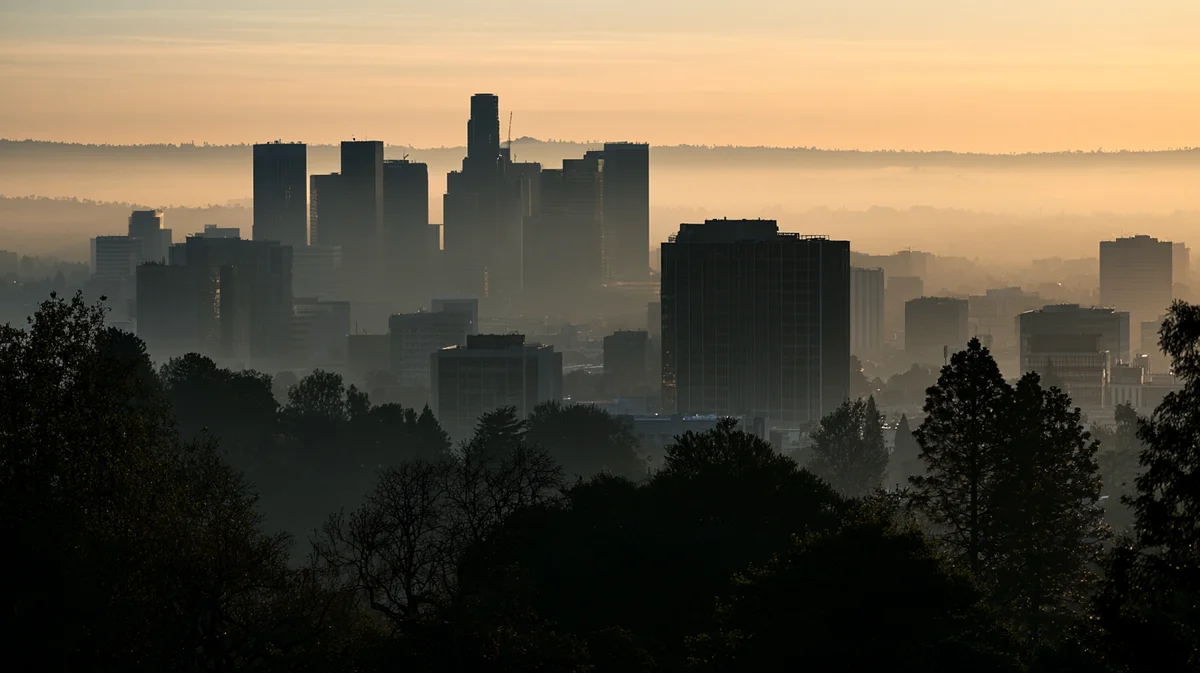
When we think of air pollution, we usually picture thick, grey smog hanging over a city skyline. If the air looks clear, it feels safe to take a deep breath. But the most dangerous airborne threats are completely invisible and odorless. Your body's natural defense system, from the mucus in your nose to your cough reflex, was evolved to block coarse dust, pollen, and debris.
It has no mechanism for the microscopic particles and reactive gases produced by modern combustion. Once inside, these microscopic toxins do not just irritate your throat; they cross directly into your cardiovascular system.
How Fine Particles Breach Lung Defenses
How Reactive Gases Burn the Airways
Why modern homes trap air pollution
Building a home to keep the cold out means creating a tightly sealed box. While modern insulation cuts heating bills and carbon emissions, it also eliminates the natural drafts that used to quietly refresh indoor air. As a result, everyday activities, such as cooking dinner or burning a candle, now generate invisible emissions that have nowhere to go. Uncovering the friction between energy efficiency and respiratory health reveals why the most polluted air you breathe might just be sitting in your own kitchen.
The conflict between insulation and airflow
Gas stoves and indoor cooking spikes
Practical defenses for your lungs
Knowing that fine particles and invisible gases slip past the body's natural barriers is only half the challenge. When indoor air stagnates and outdoor conditions deteriorate, waiting for the weather to clear is not a reliable health strategy. Instead, respiratory defense requires active, daily management of the air you breathe. By learning how air moves through a space and how to read local environmental data, it is possible to drastically cut exposure to these unseen hazards.