The Energy Intensity of Tumble Drying
A deep dive into the physics of mechanical drying, illustrating why the dryer is often the most energy-intensive appliance in a household.
You have successfully washed a load of laundry using a cold cycle, saving a significant amount of energy. The clothes are clean, but they are wet. Now comes the second half of the equation, and it involves one of the most resource-intensive appliances in modern homes. For many, transferring wet clothes directly into a tumble dryer is an automatic reflex.
It is undeniable that modern dryers offer incredible convenience, turning a heavy basket of damp fabric into warm, wearable garments in less than an hour. However, that speed comes at a steep physical and environmental cost.
In this lesson, we will explore the extreme energy demands of forced evaporation and uncover what the dryer is actually doing to your favorite clothes.
The Physics of Forced Evaporation
To comprehend the energy appetite of a tumble dryer, we must look at the physics of phase change. Your washing machine's spin cycle uses centrifugal force to extract as much liquid water as mechanically possible, but the fabric remains deeply saturated with water. Removing that remaining moisture requires turning liquid water into a gas, water vapor, so it can be carried away.
Evaporating water requires a massive input of thermal energy.
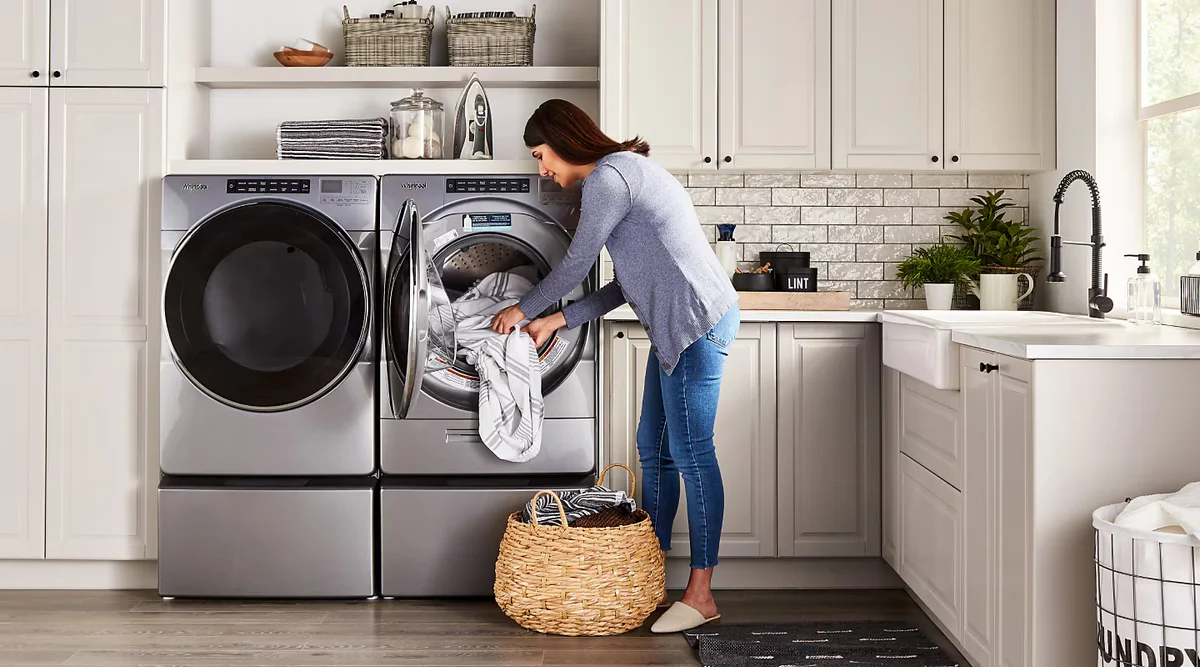
A standard vented electric tumble dryer achieves this through brute force thermodynamics. It pulls in ambient room air, drags it across a powerful electric heating element to heat it up, and blasts that highly heated air into a spinning drum of wet clothes. It then vents the resulting hot, moist air entirely out of your house.
Fact: A standard tumble dryer frequently consumes more electricity than the washing machine, dishwasher, and refrigerator combined due to the extreme heat needed for evaporation.
The Thermodynamic Drain
This process is inherently inefficient. You are not just heating the clothes; you are continuously heating a massive volume of air, only to immediately throw that heated air outside. In many households, the tumble dryer is the undisputed heavyweight champion of energy consumption.
When we look at the total lifecycle carbon footprint of a standard cotton t-shirt, from farming the cotton to manufacturing, shipping, and eventual disposal, the 'consumer use' phase often represents the largest slice of the pie, primarily driven by tumble drying (IEA, 2021).
This massive energy draw puts a heavy burden on local power grids and relies heavily on fossil fuels if your local energy mix is not fully renewable.
But the environmental cost of the dryer is not limited to electricity consumption; it also has a direct, physical impact on the materials you place inside it.
The Lint Trap is a Warning Sign
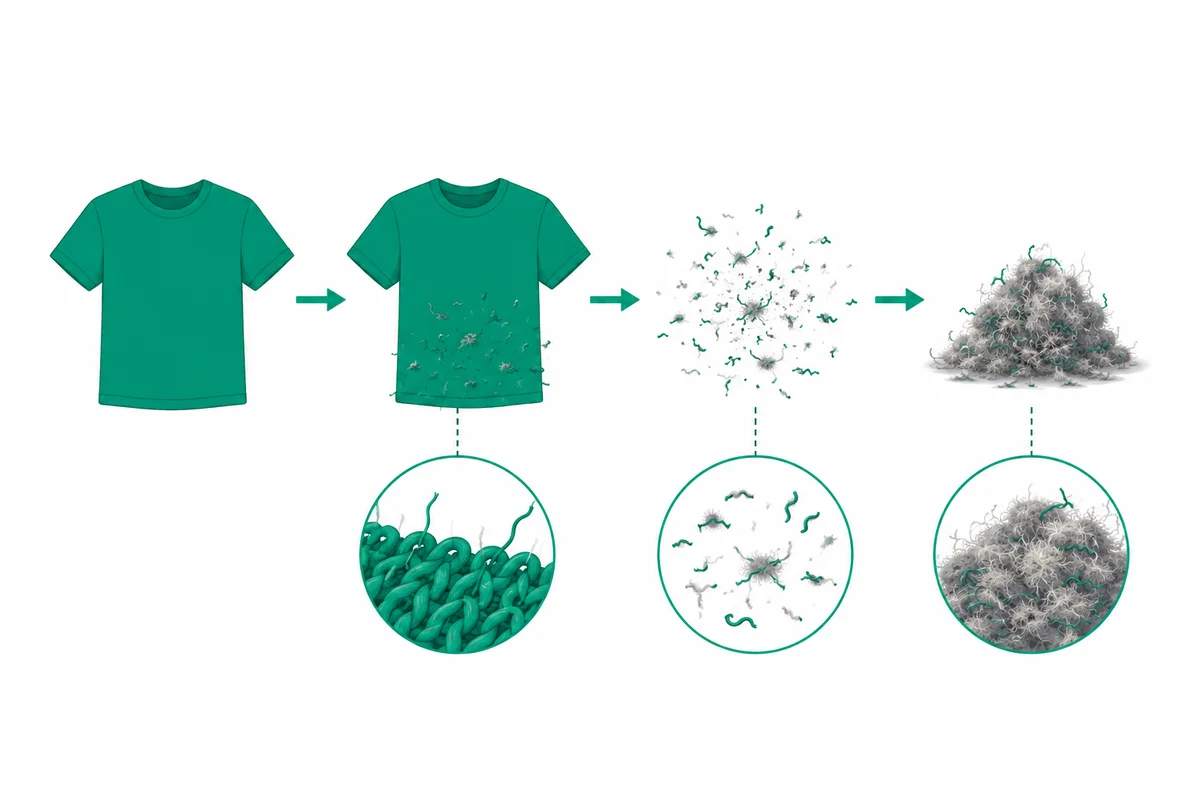
Everyone who uses a tumble dryer is familiar with the routine of cleaning the lint trap. You pull out a screen coated in a soft, grey felt-like material and throw it in the trash. We rarely stop to think about what that material actually is. Lint is not dust from the air; it is the physical fabric of your clothing.
The combination of sustained high heat and aggressive mechanical friction inside the spinning drum actively degrades the integrity of your garments. The dryer literally shreds microscopic fibers off the surface of the textiles, slowly thinning out your t-shirts, weakening the seams of your jeans, and destroying the elasticity of your activewear.
The Fast Fashion Feedback Loop
Every handful of lint is a visual representation of your clothes dying a premature death. This physical degradation feeds directly into a larger systemic issue: overconsumption. When a favorite sweater loses its shape or a shirt develops tiny holes from repeated heat damage, we throw it away and buy a replacement.
By artificially shortening the functional lifespan of our wardrobes through aggressive drying habits, we accelerate our participation in the fast-fashion cycle (Fashion Revolution, 2020). This forces the manufacturing of new clothing, which requires massive inputs of agricultural water, petrochemicals, and global shipping fuels. Protecting your clothes from the dryer is a direct intervention against industrial overproduction.
Smarter Drying Strategies
The most effective intervention is completely passive: air drying. Returning to clotheslines, outdoor rotary dryers, or indoor folding racks eliminates the energy demand of mechanical drying entirely. Passive evaporation uses ambient heat and air flow to slowly transition the water from liquid to gas without burning fossil fuels or shredding fibers.
If you have outdoor space, a clothesline utilizes free solar and wind energy. The ultraviolet light from the sun even acts as a mild, natural antibacterial and bleaching agent, perfect for white linens. If you must dry indoors, it is crucial to position drying racks in well-ventilated areas to prevent excess moisture from building up in the home, which can lead to dampness or mold.
Modern Alternatives
For situations where air drying is impossible due to space, severe climate, or accessibility, technology offers better alternatives. Heat pump tumble dryers are emerging as the new standard in sustainable home design. Unlike traditional vented dryers that throw hot air outside, heat pump models operate on a closed loop. They extract the moisture from the air and recycle the warm air back into the drum, using less than half the energy of a conventional model and operating at much lower, gentler temperatures.