The Hidden Footprint of Cleaning Clothes
 Responsible Consumption
Discover the massive environmental impact of washing and drying your clothes, and learn practical habits to reduce energy use and extend garment life.
Laundry is a universal, mundane chore, yet it accounts for a surprising portion of our household carbon footprints. Every time you turn on your washing machine, you are making a choice that impacts water systems, energy grids, and the lifespan of your wardrobe.
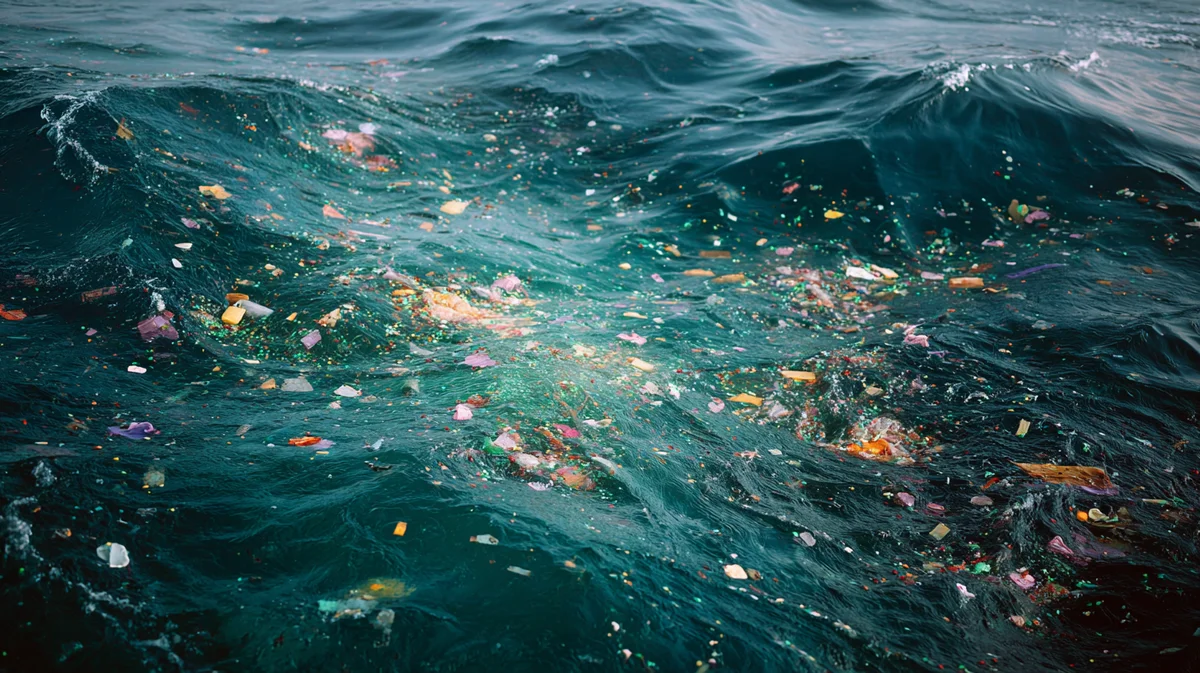
In this challenge, we will explore the hidden physical and chemical realities of cleaning clothes. You will uncover the truth behind the hot water illusion, examine the extreme energy intensity of tumble drying, and trace the unseen journey of microfibers from your washing machine to the ocean.
By rethinking your routine, you can drastically cut utility bills and save your favorite garments from premature wear and tear
Learning Goals
The Energy needed for Laundry
When we think about reducing our carbon footprint, we often picture electric cars, solar panels, or planting trees. We rarely look at the appliances we use in our house on a daily base. Yet, the routine act of washing and drying our clothes represents a massive, hidden demand on global energy grids and local water systems.
In this module, you will learn why traditional cleaning relies so heavily on thermal energy, how modern biology has made that heat obsolete, and the surprisingly destructive nature of forced evaporation.
By mastering the fundamental dynamics of water, heat, and friction, you will unlock immediate, practical ways to slash your utility bills and significantly extend the life of your wardrobe.
The Temperature Illusion in Washing
The Energy Intensity of Tumble Drying
Wear, Tear, and Physical Degradation
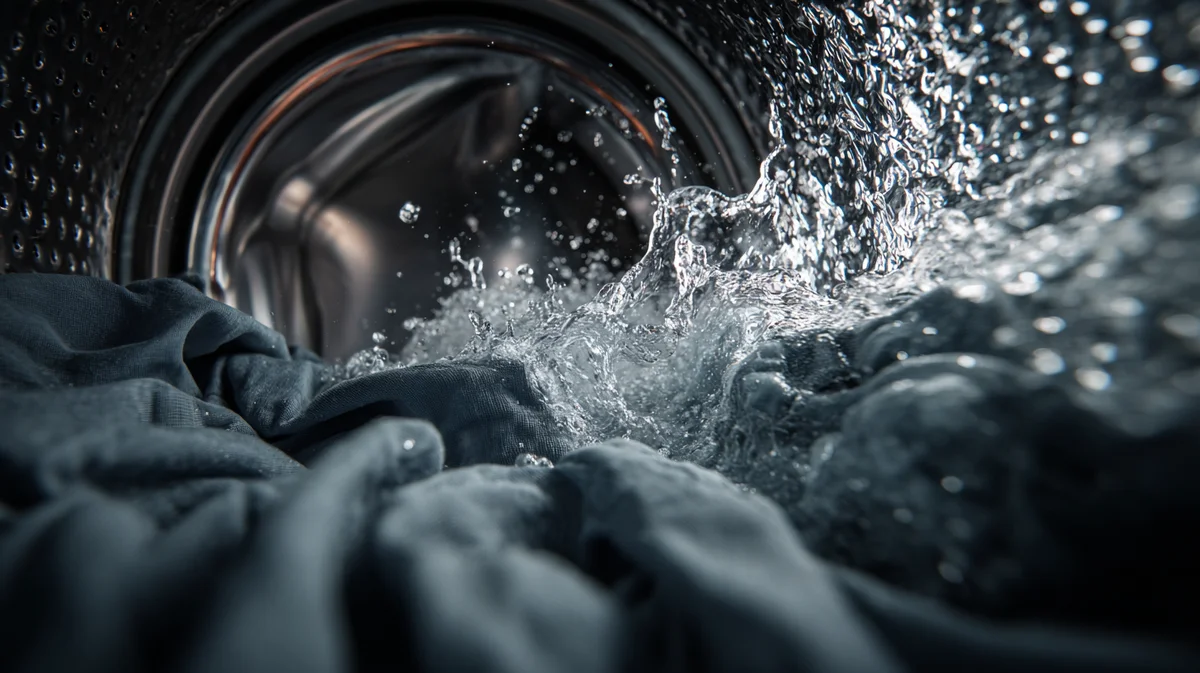
When we wash our clothes, we tend to focus only on what we want to disappear: the dirt, the stains, and the odors. We rarely consider what else is being stripped away in the process. Every time you run a load of laundry, a complex physical and chemical exchange takes place inside that metal drum. The mechanical forces of agitation and heat, combined with highly active detergent chemicals, fundamentally alter the garments you wear.
We will trace the unseen journey of microscopic plastics that break off synthetic clothing and bypass water treatment plants to reach the ocean. We will debunk the powerful myth that more detergent equals cleaner clothes, exploring how chemical runoff impacts aquatic life.
Finally, we will re-examine the lint trap in your dryer, revealing it not as a harmless dust collector, but as a visual record of your wardrobe's gradual destruction and a hidden driver of the global fast fashion crisis.
The Microfiber Pathway
Detergent Myths
Rethinking your Tumble Drying Routine
Knowledge only matters if we translate it into tangible, everyday action. Now that we understand the extreme energy physics of heating water and the destructive mechanical forces of the tumble dryer, it is time to redesign our personal routines.
In this module you will learn how to replace tumble drying with air drying and safely harness passive evaporation without compromising your indoor air quality.