Heat Dome Household Survival
 Good Health And Well-Being
Learn how high-pressure anomalies threaten human biology and apply passive cooling strategies to defend your home.
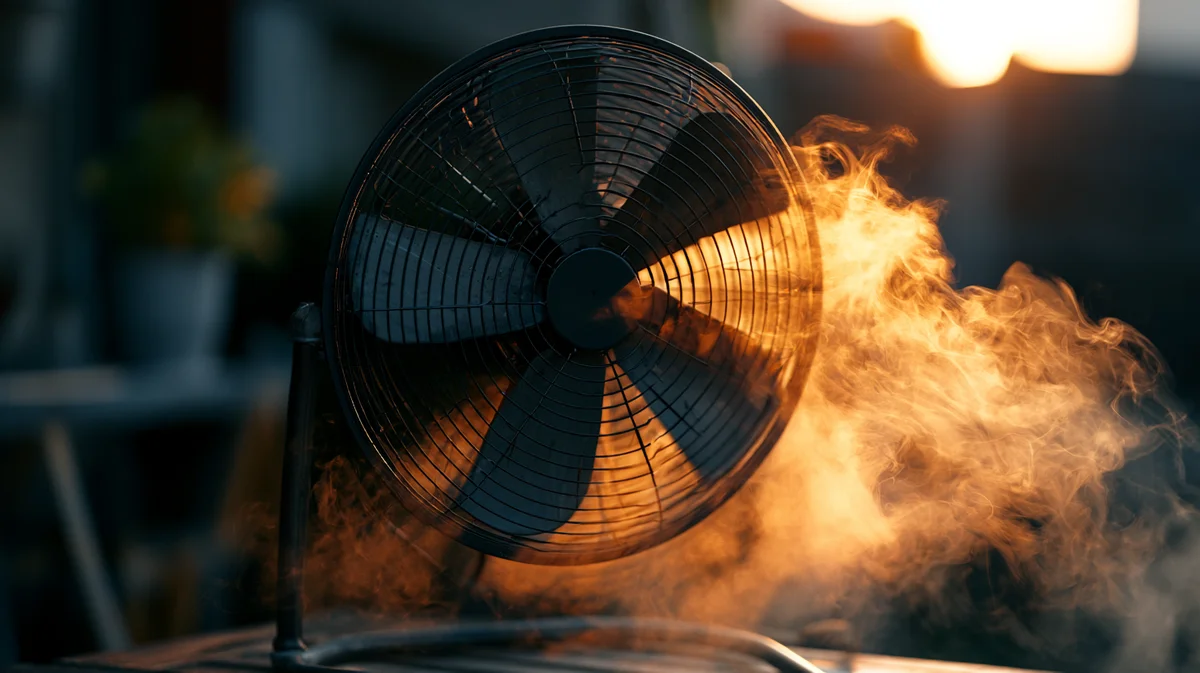
High-pressure weather systems can compress and bake stagnant air until human sweat stops evaporating. This biological limit, measured as wet-bulb temperature, turns normal summer heatwaves into a dangerous situation.
This challenge breaks down the atmospheric mechanics behind extreme heat and explores why nighttime cooling is critical for survival. You will learn to recognize life-threatening symptoms and deploy passive cooling tactics to improve your living space.
Learning Goals
How Heat Domes Trap Weather
Summer heat is normal, but a high-pressure anomaly turns a hot day into a biological threat. When stagnant air compresses and bakes the earth, the temperature can climb until human sweat stops evaporating. Understanding exactly how these atmospheric lids form, and why high humidity and hot nights multiply the danger, is the first step to surviving them.
Why High Pressure Creates a Heat Lid
Why Hot Nights and Humidity Turn Fatal
Cooling Homes Without Power
Living in extreme temperatures requires shifting your living space from a passive box that absorbs the sun into an active thermal defense. This means understanding exactly when to let air in, when to seal it out, and how to spot the physical signs of overheating before it is too late.