The conflict between insulation and airflow
Analyze how weather-sealing modern homes traps indoor air pollutants without active mechanical ventilation.
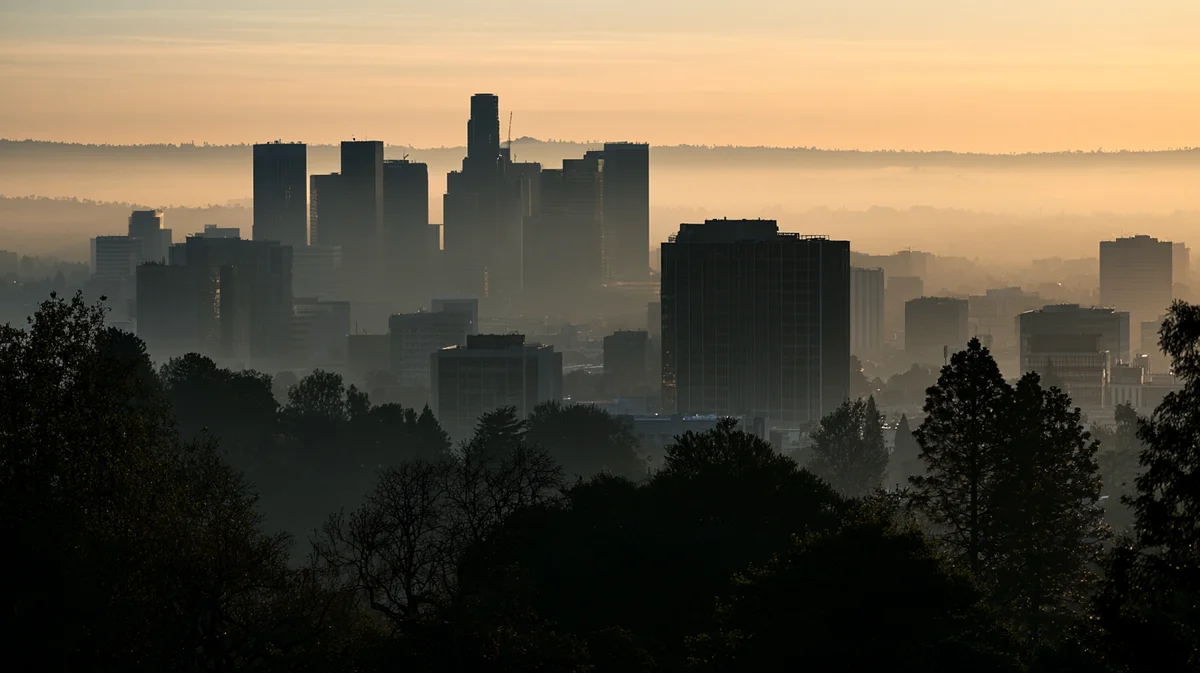
Closing the front door feels like stepping into a sanctuary. When a city suffers a smog warning or nearby wildfires cast a haze over the neighbourhood, the instinctive response is to retreat indoors and shut the windows tight. A well-built home offers immediate physical separation from the weather and the noise of the street.
Yet that physical separation creates an invisible trap. Every time you breathe, cook, or move, you change the chemistry of the room. Without a deliberate way to swap stale air for fresh, the walls that protect you from the elements begin to hold onto the byproducts of daily life. Is the air inside a typical house actually safer than the air outside?
How efficiency eliminated the draft
Decades ago, houses were unintentionally leaky. Gaps around wooden window frames, uninsulated floorboards, and loose doors meant that a building exchanged air with the outdoors constantly. Today, modern construction focuses heavily on preventing heat loss to lower energy bills and reduce carbon footprints.
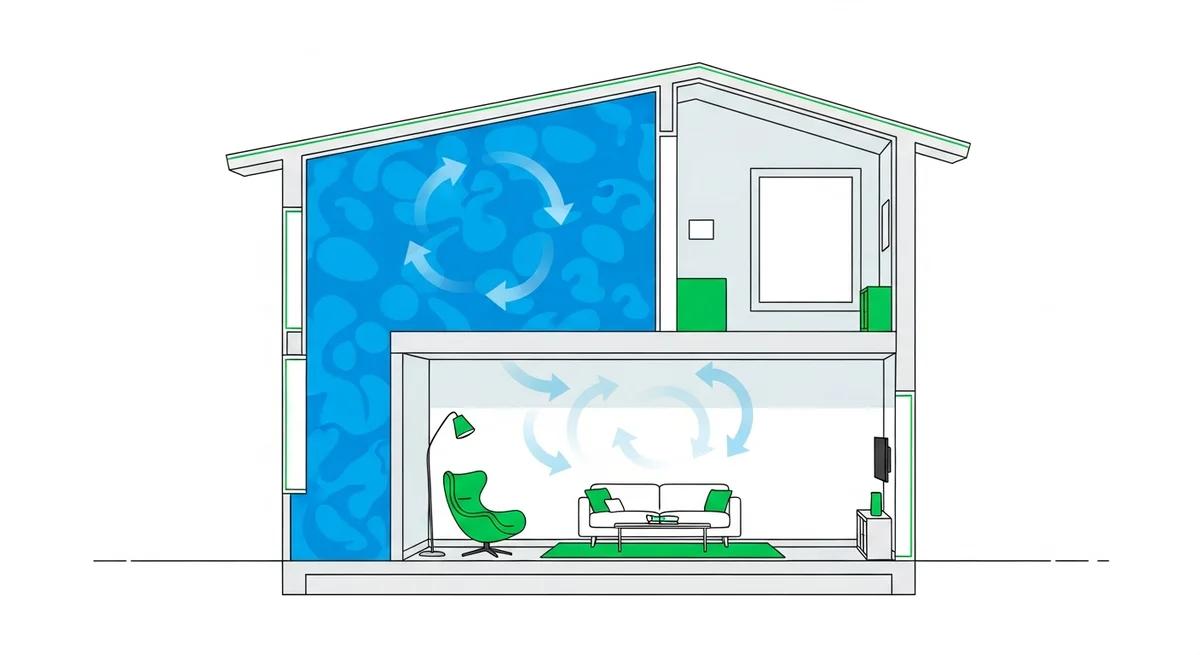
While absolutely essential for climate goals, this tight weather-sealing fundamentally changes how a house functions. Without active mechanical ventilation to replace the natural drafts, stagnant indoor air accumulates pollutants rather than clearing them away.
Researchers consistently find that the air inside an average home contains significantly higher concentrations of toxic pollutants than the air just outside the front door (Environmental Protection Agency, n.d.).
Cozy habits that compromise the air
Many popular ways to make a living space feel warm and inviting rely directly on unregulated indoor combustion. Wood-burning stoves, scented candles, and incense sticks all require open flames.
Because these items are burned purely for ambiance rather than utility, their emissions are often overlooked. However, burning solid materials releases fine particulate matter directly into the breathing zone. Burning incense indoors can generate enough microscopic particles to rival the pollution profile of a busy intersection, pushing indoor air quality well past health guidelines (Yadav et al., 2022).
Even supposedly natural materials, such as pure beeswax or organic essential-oil candles, undergo combustion. The resulting particulate matter bypasses respiratory defenses just as easily as exhaust from a tailpipe.
The false safety of the sealed box
Relying purely on the building to protect you during outdoor pollution events is a risky strategy. During a severe smog day, outdoor particles will slowly infiltrate even a well-sealed home through micro-cracks, door frames, and brief moments when doors are opened.
Once those outdoor particles get inside, the tight building envelope traps them there. Because of this, indoor pollution levels inevitably catch up to outdoor peaks unless the home operates a dedicated mechanical filtration system (Lawrence Berkeley National Laboratory, n.d.). Simply shutting the windows only delays the exposure.
Fact: Unless you are running a HEPA air purifier, outdoor pollution slowly seeps inside and gets trapped by the building's insulation, meaning indoor air eventually mirrors the polluted outdoor air.
When the outdoor air quality improves, the insulated home holds onto the trapped pollution. You must actively open windows to flush the space, or the indoor air will remain hazardous long after the sky outside has cleared.
What this means for your home
Understanding your building's airflow is the first step toward improving it.
- Modern energy-efficient homes lack natural drafts, making deliberate mechanical or manual ventilation essential.
- Indoor air frequently harbours much higher pollutant concentrations than the outdoor environment.
- Everyday ambiance items like candles and incense introduce unnecessary fine particles into closed rooms.
- Check whether your range hood or bathroom fan vents outdoors before assuming it clears pollutants rather than just recirculating them.
Identifying these hidden traps sets the stage for managing the biggest daily culprit: the kitchen.
References
- Environmental Protection Agency, n.d. Indoor Air Quality (IAQ). Source
- Yadav, K. K., et al., 2022. Health and Environmental Risks of Incense Smoke: Mechanistic Insights and Cumulative Evidence. Source
- Lawrence Berkeley National Laboratory, n.d. Indoor Environment Group, Indoor Air Quality Research. Source