How Reactive Gases Burn the Airways
Understand the difference between particle pollution and gaseous pollutants, focusing on indoor nitrogen dioxide (NO2).
A high-quality HEPA air purifier is incredibly effective at trapping physical dust, pollen, and smoke particles. When the filter turns grey, you have visible proof that the air is getting cleaner.
But what about the pollutants that slip right through a basic particulate filter? When you cook on a gas stove or stand near a busy road, the odors might fade, but highly reactive chemical compounds remain suspended in the air you breathe.
Are particles the only thing in polluted air that damages my lungs?
Physical particles versus chemical gases
While fine dust acts like a physical microscopic invader, polluted air also carries invisible gaseous threats.
Unlike particulate matter (PM), which consists of solid or liquid droplets, gas pollutants exist in the same phase as the oxygen we breathe. This means they cannot be caught by basic physical filter meshes, no matter how tight the weave. To remove a gas, you need chemical absorption, such as activated carbon.
The primary gas threats in residential areas are ozone and nitrogen dioxide (NO2), a highly reactive gas produced primarily by burning fossil fuels.
Where reactive gases come from
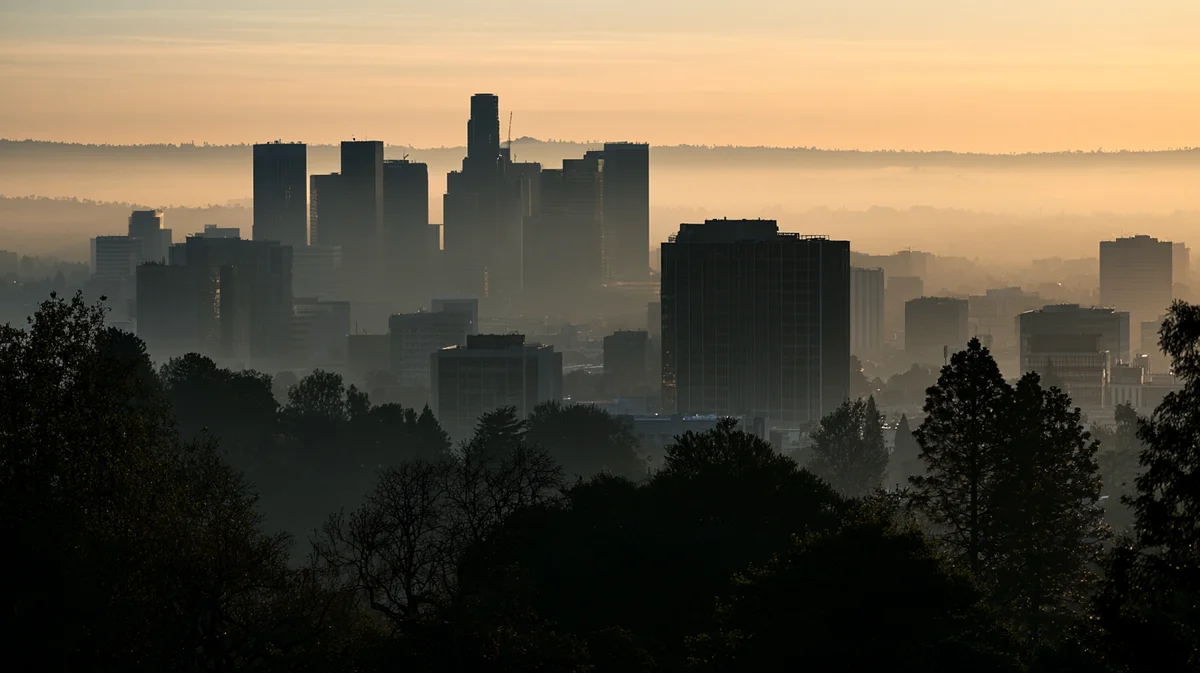
In most urban areas, the dominant source of outdoor NO2 is vehicle exhaust, particularly from heavy diesel engines.
However, indoor exposure is often much higher due to everyday domestic habits. Cooking on unvented gas stoves or heating a room with an older gas fireplace generates massive amounts of NO2 right in your living space (EPA, 2022). Because modern homes are well-insulated to save energy, these gases accumulate rapidly in the kitchen and surrounding rooms.
Unlike a physical blockage of dust, reactive gases chemically inflame tissue as you inhale them. When NO2 meets the moisture inside your respiratory tract, it effectively causes microscopic chemical burns along the airway lining.
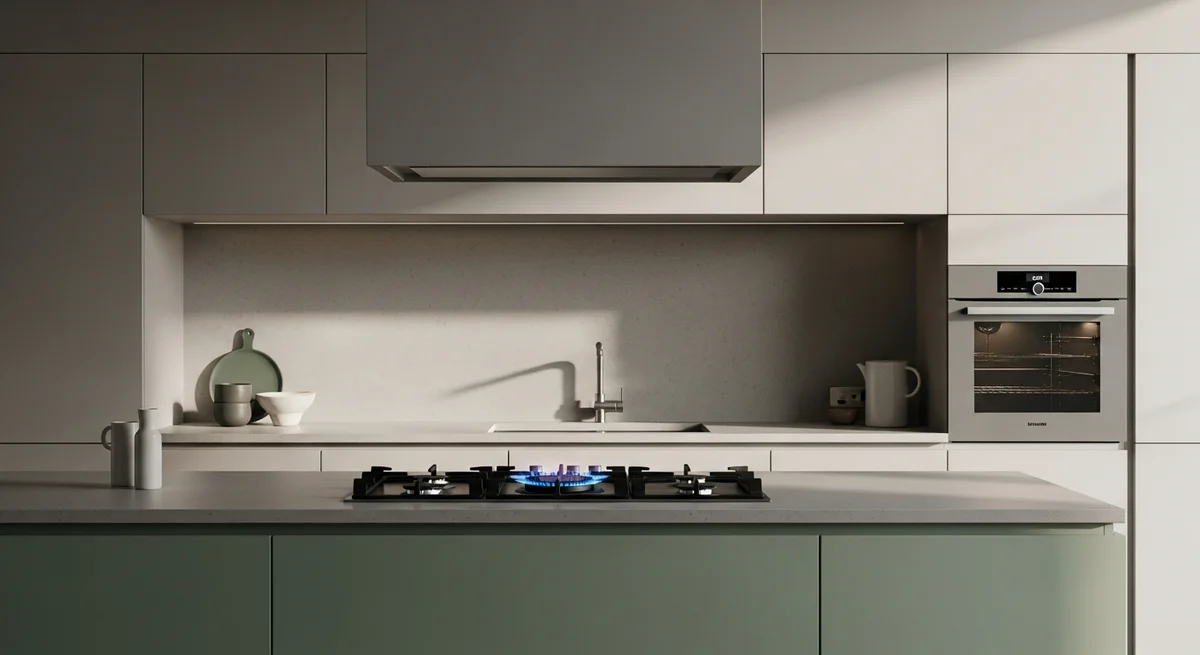
Fact: The blue flame of an unvented gas stove produces invisible NO2 the entire time it is on, requiring ventilation even if you are just boiling water.
Acute inflammation and chronic aging
The health impacts of NO2 exposure divide into two distinct timelines depending on the concentration.
In the short term, a sudden spike in NO2, like standing near a busy intersection or cooking an extensive meal without an exhaust fan, triggers acute inflammation. This causes immediate wheezing, throat irritation, and coughing, acting as a major trigger for sudden asthma attacks. The airways physically constrict in response to the chemical irritation.
Over the long term, chronic exposure to lower levels of NO2 physically changes the lungs. The continuous cycle of inflammation and repair accelerates cellular aging. Studies show that early exposure stunts lung development in children, permanently reducing their total respiratory capacity into adulthood (Gauderman et al., 2004).
The contested link to pediatric asthma
The connection between gas appliances and pediatric asthma has sparked heavy public debate, frequently complicated by industry positioning.
Some appliance trade associations argue that household gas use is a negligible factor compared to outdoor urban pollution or genetic predisposition, pointing out that NO2 dissipates quickly in well-ventilated spaces (AGA, 2023). They suggest that focusing on stoves distracts from broader outdoor air quality issues.
However, a robust body of independent public health research finds that the indoor accumulation of unvented NO2 acts as a primary, independent trigger for childhood asthma development (Gruenwald et al., 2023). The scientific consensus suggests that while a gas stove is not the sole cause of asthma, it creates a highly localized inflammatory environment necessary to trigger the condition in susceptible children. Because many homes lack proper ventilation, the theoretical safety of quick dissipation rarely matches everyday reality.
What to take away
Pollution is chemical as well as physical, and invisible gases require different defense strategies than dust.
- Nitrogen dioxide (NO2) is a reactive gas produced by burning fuels, primarily from traffic exhaust and indoor gas stoves.
- Because NO2 is a gas, it passes entirely through standard physical HEPA filters.
- Inhaling NO2 chemically inflames the airways, triggering acute coughing and asthma flare-ups.
- Chronic childhood exposure to indoor NO2 can permanently stunt lung development.
- Using mechanical exhaust fans when operating gas appliances is critical for removing invisible NO2, even when there is no smoke.
- Ask whether your kitchen exhaust fan actually vents outside or just recirculates air, since only a true outdoor vent removes NO2.
Now that you understand how particles breach the blood and gases burn the airway, the next module explores why modern homes frequently trap both.
References
- United States Environmental Protection Agency. (2022). Indoor Air Quality: Nitrogen Dioxide's Impact on Indoor Environments. Source
- Gauderman, W. J., et al., 2004. The Effect of Air Pollution on Lung Development from 10 to 18 Years of Age. Source
- American Gas Association. (2023). Statement on Natural Gas Stoves and Indoor Air Quality. Source
- Gruenwald, T., et al., 2023. Population Attributable Fraction of Gas Stoves and Childhood Asthma in the United States. Source